Autodiagnostics
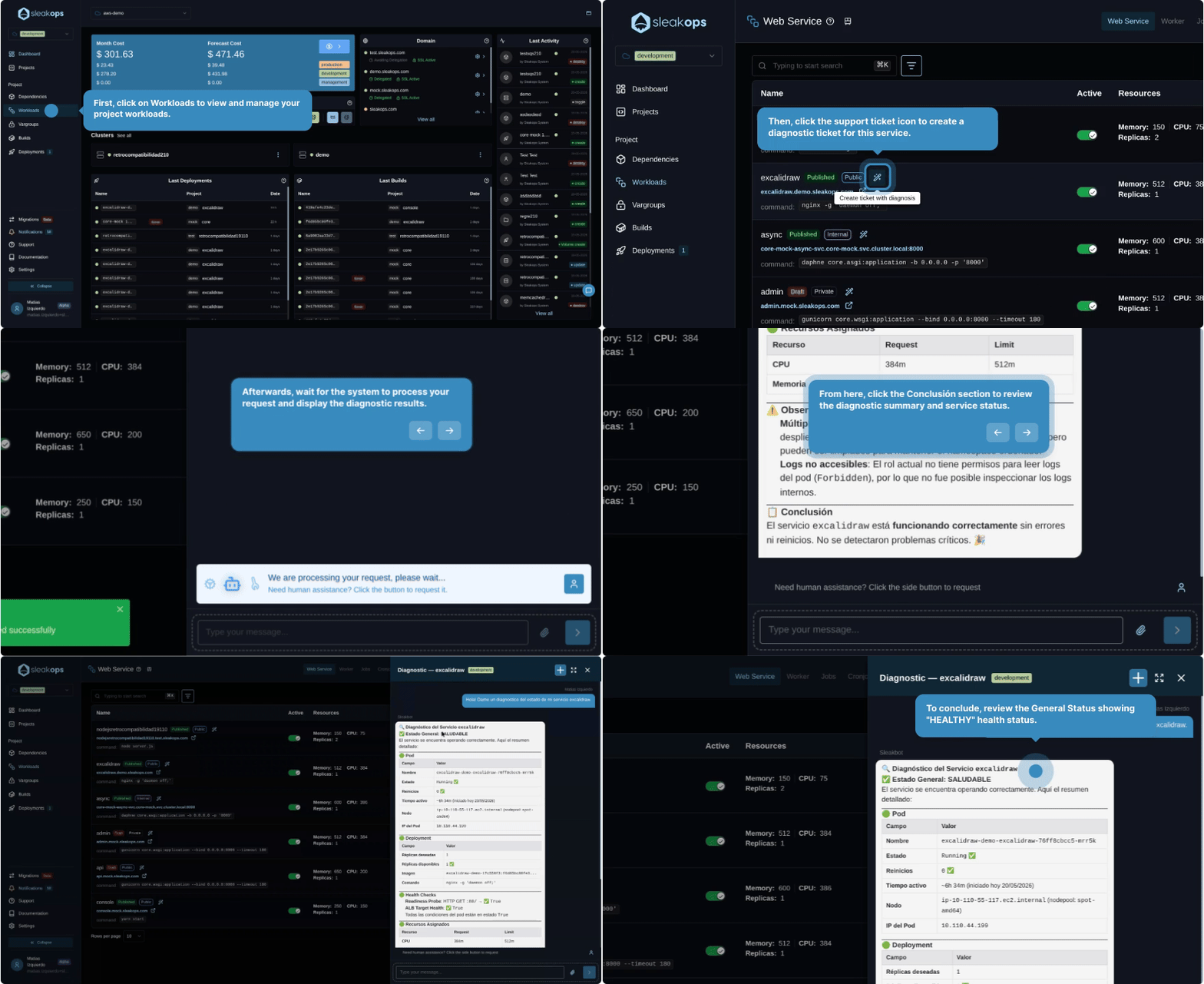
Autodiagnostics generates an AI-powered diagnosis for any resource managed by SleakOps. The AI reads logs and infrastructure state, identifies the root cause, and suggests corrective actions — so you spend less time debugging and more time shipping.
FAQs
What is Autodiagnostics?
Autodiagnostics is an AI agent embedded in SleakOps that analyzes any resource — a failing deployment, a crashing Pod, a dependency with connectivity issues — and produces a structured diagnosis: what went wrong, why it happened, and what to do about it.
Instead of manually correlating logs, Kubernetes events, and infrastructure state, you get a clear explanation directly inside the console.
Where do I trigger a diagnosis?
The Diagnose action appears on individual resource detail pages when there is an issue to analyze:
- Deployments and releases
- Projects and services
- Dependencies
Once triggered, the diagnosis opens as a conversation in the Support section (/support/) where you can review the root cause analysis and follow-up with the AI.
What does the AI analyze?
When you trigger a diagnosis, the AI reads:
- Recent logs from the affected resource
- Kubernetes events in the relevant namespace
- Current infrastructure state (configurations, deployments, dependencies)
It correlates all available signals to surface the root cause, not just the symptom.
Does it apply fixes automatically?
No. Autodiagnostics is read-only. It surfaces a diagnosis and recommends actions, but all remediation steps require your explicit approval. You stay in control of every change to your infrastructure.
How accurate are the results?
The AI is most effective for common failure patterns: crashing containers, misconfigured environment variables, resource exhaustion, and dependency connectivity issues. For highly custom setups it provides its best analysis based on available signals — always review recommendations before acting on them in production.